Your furniture represents both a significant financial investment and an important component of your home's comfort and style. At the heart of upholstered furniture is the fabric itself—the material that faces daily interaction with family members, pets, guests, and environmental factors. Understanding what your furniture is made of and how to properly care for it can dramatically extend its lifespan, maintain its appearance, and protect your investment. In this comprehensive guide, we'll explore how to identify common upholstery fabrics and the specific cleaning and maintenance methods each type requires.
Why Fabric Identification Matters
Using the wrong cleaning method on upholstery can lead to disastrous results, including:
- Permanent water stains on water-sensitive fabrics
- Color bleeding or fading
- Texture changes, such as stiffening, pilling, or matting
- Shrinkage or warping of the material
- Damage to backing or cushioning materials
These consequences not only affect your furniture's appearance but can significantly reduce its value and comfort. Proper fabric identification is the first crucial step in appropriate care.
Industry data:
According to furniture industry studies, approximately 80% of premature upholstery deterioration results from improper cleaning and maintenance rather than normal wear and tear. Simply identifying and using appropriate cleaning methods can more than double your furniture's functional lifespan.
Common Upholstery Fabrics and Their Characteristics
Natural Fibers
| Fabric | Characteristics | Identification Tips |
|---|
| Cotton | Breathable, soft, absorbent, prone to wrinkling and staining | Matte appearance, absorbs water quickly, burns with a steady flame and smells like burning paper |
| Linen | Crisp texture, natural luster, highly absorbent, wrinkles easily | Slightly irregular texture, becomes stronger when wet, burns readily with the smell of burning paper |
| Wool | Warm, naturally soil-resistant, absorbs moisture without feeling wet | Springy texture, burns slowly with a smell of burning hair, crushes then bounces back |
| Silk | Luxurious sheen, smooth texture, sensitive to water and sunlight | Distinctive luster that changes with viewing angle, burns with a smell of burning hair but stops when removed from flame |
| Leather | Durable, develops patina with age, sensitive to body oils and drying | Distinctive natural markings, warm to touch, absorbs and releases moisture |
Synthetic Fibers
| Fabric | Characteristics | Identification Tips |
|---|
| Polyester | Durable, resistant to stretching, fading, and wrinkling | Smooth feel, bounces back when crushed, melts rather than burns with a sweet chemical odor |
| Nylon | Extremely strong, resistant to abrasion, less resistant to sunlight | Smooth, silky feel, melts when burned with a plastic smell |
| Acrylic | Wool-like appearance, colorfast, resistant to sunlight damage | Wool-like texture but lighter weight, melts and burns simultaneously with an acrid odor |
| Olefin (Polypropylene) | Highly stain-resistant, colorfast, moisture-resistant | Slightly waxy feel, floats in water, melts quickly and smells like burning plastic |
| Microfiber | Very fine fibers create dense texture, highly stain-resistant | Suede-like texture, liquid tends to bead on surface before absorption |
Blended Fabrics
Many modern upholstery fabrics blend different fibers to combine their beneficial properties. Common blends include:
- Cotton-polyester: More durable and wrinkle-resistant than pure cotton
- Wool-nylon: More durable than pure wool with better resiliency
- Cotton-linen: Less prone to wrinkling than pure linen
- Leather-polyester (bonded leather): Lower cost alternative to full leather
Identifying blends can be challenging, but looking for a manufacturer's label or consulting the store where you purchased the furniture can help determine composition.
Professional Fabric Identification Methods
When uncertain about your upholstery fabric, professional cleaners use several testing methods:
Burn Test
While not recommended for home use, professionals may test small fiber samples to observe burning characteristics:
- Natural fibers: Generally burn with an ash residue and smell like burning hair (protein fibers) or paper (cellulose fibers)
- Synthetic fibers: Typically melt before burning and produce a chemical odor
Microscopic Analysis
Under magnification, different fibers have distinctive characteristics:
- Cotton fibers appear as twisted ribbons
- Wool fibers show scales along the shaft
- Synthetic fibers generally have smooth, uniform appearances
Chemical Testing
Certain chemicals react differently with various fibers, allowing professionals to distinguish between similar-looking materials.
Manufacturer Resources
Professional cleaners have access to databases and resources to identify fabrics based on furniture brands, styles, and manufacturing periods.
Cleaning and Maintenance by Fabric Type
Cotton and Cotton Blends
Regular maintenance:
- Vacuum weekly using upholstery attachment with low suction
- Rotate cushions monthly to ensure even wear
- Address spills immediately by blotting (never rubbing)
Cleaning method:
- Generally responds well to water-based cleaning
- Test cleaning solutions in inconspicuous area first
- Avoid excessive moisture which can lead to shrinkage
- May require professional cleaning for set-in stains
Precautions:
- Prone to shrinking if over-wetted
- May wrinkle with improper drying
- Highly absorbent, making stain removal challenging
Linen
Regular maintenance:
- Vacuum regularly with soft brush attachment
- Use arm covers and throws on high-use areas
- Keep away from direct sunlight to prevent fading
Cleaning method:
- Dry cleaning solvent preferred for spot treatment
- Professional cleaning recommended for overall maintenance
- Avoid rubbing which can damage fibers and create a fuzzy appearance
Precautions:
- Very susceptible to water stains
- Wrinkles easily when moist
- Can shrink dramatically with improper cleaning
Wool and Wool Blends
Regular maintenance:
- Vacuum weekly with low suction
- Brush gently periodically to maintain texture
- Keep away from direct sunlight
Cleaning method:
- Dry foam cleaners work well for surface cleaning
- Professional cleaning recommended for deep cleaning
- Avoid excessive agitation which can cause felting
Precautions:
- Can shrink or felt if agitated while wet
- Susceptible to moth damage if stored
- May pill with heavy wear
Silk
Regular maintenance:
- Vacuum with screen between fabric and vacuum
- Keep away from direct sunlight
- Avoid sitting on silk furniture with sharp objects
Cleaning method:
- Professional cleaning only
- Water can permanently stain silk
- Spot cleaning generally not recommended
Precautions:
- Extremely sensitive to water and moisture
- Weakens when exposed to sunlight
- Susceptible to oil stains from skin contact
Leather
Regular maintenance:
- Dust weekly with soft cloth
- Condition with leather conditioner every 6-12 months
- Keep away from heat sources and direct sunlight
Cleaning method:
- Clean with leather-specific cleaner
- Wipe spills immediately with dry cloth
- Professional cleaning for serious stains
Precautions:
- Avoid household cleaners which can damage finish
- Can dry out and crack without proper conditioning
- Different types (aniline, semi-aniline, pigmented) require different care
Synthetic Fabrics (Polyester, Nylon, Acrylic, Olefin)
Regular maintenance:
- Vacuum regularly to remove dust and debris
- Brush to prevent pilling on some synthetics
- Wipe spills promptly
Cleaning method:
- Generally more resistant to water-based cleaning
- Many respond well to mild soap and water solutions
- Some synthetics (particularly olefin) can be cleaned with diluted bleach for tough stains
Precautions:
- Can melt if exposed to high heat
- May pill or develop static electricity
- Some attract and hold oils from skin contact
Microfiber
Regular maintenance:
- Vacuum weekly with soft brush attachment
- Brush with soft brush to maintain texture
- Blot spills immediately
Cleaning method:
- Check manufacturer's code (W=water-based cleaners, S=solvent-based cleaners, WS=either, X=professional only)
- Water-safe microfiber responds well to diluted soap and water
- Solvent-safe microfiber requires alcohol-based cleaners
Precautions:
- Using incorrect cleaning method can cause watermarks or texture changes
- Brushing after cleaning is essential to restore texture
- Can develop shiny spots if not properly maintained
Upholstery Cleaning Codes Explained
Many upholstered pieces have a cleaning code on their tags which provides crucial guidance:
- W - Water-based cleaning: Safe to clean with water-based products
- S - Solvent cleaning: Water may damage; use only solvent-based cleaners
- WS or SW - Water or solvent: Both water-based and solvent-based cleaners are safe
- X - Professional cleaning only: Neither water nor solvent-based cleaners are safe; professional cleaning only
- O - Organic solvents: Clean with cold water, organic solvents or dry-cleaning products
Always check for and follow these codes when planning your cleaning approach.
The Professional Cleaning Advantage
While routine maintenance can be handled at home, professional upholstery cleaning offers several significant benefits:
Specialized Equipment
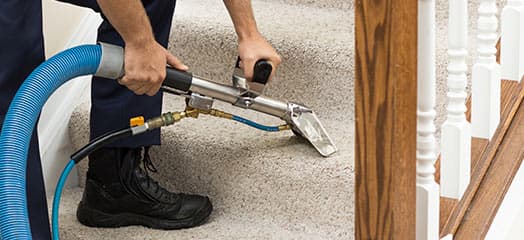
Professional cleaners use equipment specifically designed for different upholstery types:
- Low-moisture extraction systems for water-sensitive fabrics
- Hot water extraction for synthetic fibers
- Specialized tools for textured fabrics and crevices
- Controlled drying systems to prevent water damage
Fabric-Specific Expertise
Professional upholstery cleaners:
- Are trained to accurately identify fabrics and their requirements
- Understand the appropriate cleaning agents for each material
- Can address special challenges like water stains, sun fading, and pill removal
- Apply protective treatments appropriate for specific fabrics
Comprehensive Cleaning Process
A typical professional upholstery cleaning includes:
- Fabric identification and pre-inspection
- Testing of cleaning solutions in inconspicuous areas
- Pre-treatment of stains and high-soil areas
- Appropriate cleaning method based on fabric type
- Spot treatment for persistent stains
- Proper drying techniques
- Application of fabric protectors when appropriate
- Final grooming and texture restoration
Extending the Life of Your Upholstery Between Cleanings
Regardless of fabric type, these practices help maintain all upholstery:
Preventative Measures
- Use arm covers or throws in high-use areas
- Implement a no-food policy for upholstered furniture
- Keep pets off furniture or use washable pet throws
- Position furniture away from direct sunlight to prevent fading
- Use window treatments to filter UV rays
- Maintain humidity between 40-60% to prevent fiber damage
Regular Maintenance Schedule
- Weekly: Vacuum and brush as appropriate for fabric type
- Monthly: Rotate cushions and inspect for developing issues
- Quarterly: Deeper cleaning of arms and high-use areas
- Annually: Professional cleaning and protective treatment
Understanding and properly caring for your upholstery fabrics represents one of the best ways to protect your furniture investment. By identifying your specific fabric types and following appropriate cleaning and maintenance protocols, you can significantly extend the beauty, comfort, and lifespan of your upholstered furniture.
Remember that when in doubt about fabric type or cleaning method, consulting with a professional upholstery cleaner is the safest option. Improper cleaning attempts can cause permanent damage, while expert care can revitalize even older pieces and maintain new ones in pristine condition.
For more information about our specialized upholstery cleaning services or to schedule an appointment, contact your local Sears Clean Home Advantage location today.