
The Ultimate Guide to Tile & Grout Cleaning
March 5, 2025•6 min read•By Sears Clean Team
Ready for Professional Cleaning?
Our experts can help you achieve a cleaner, healthier home.
#tile#grout#cleaning-tips
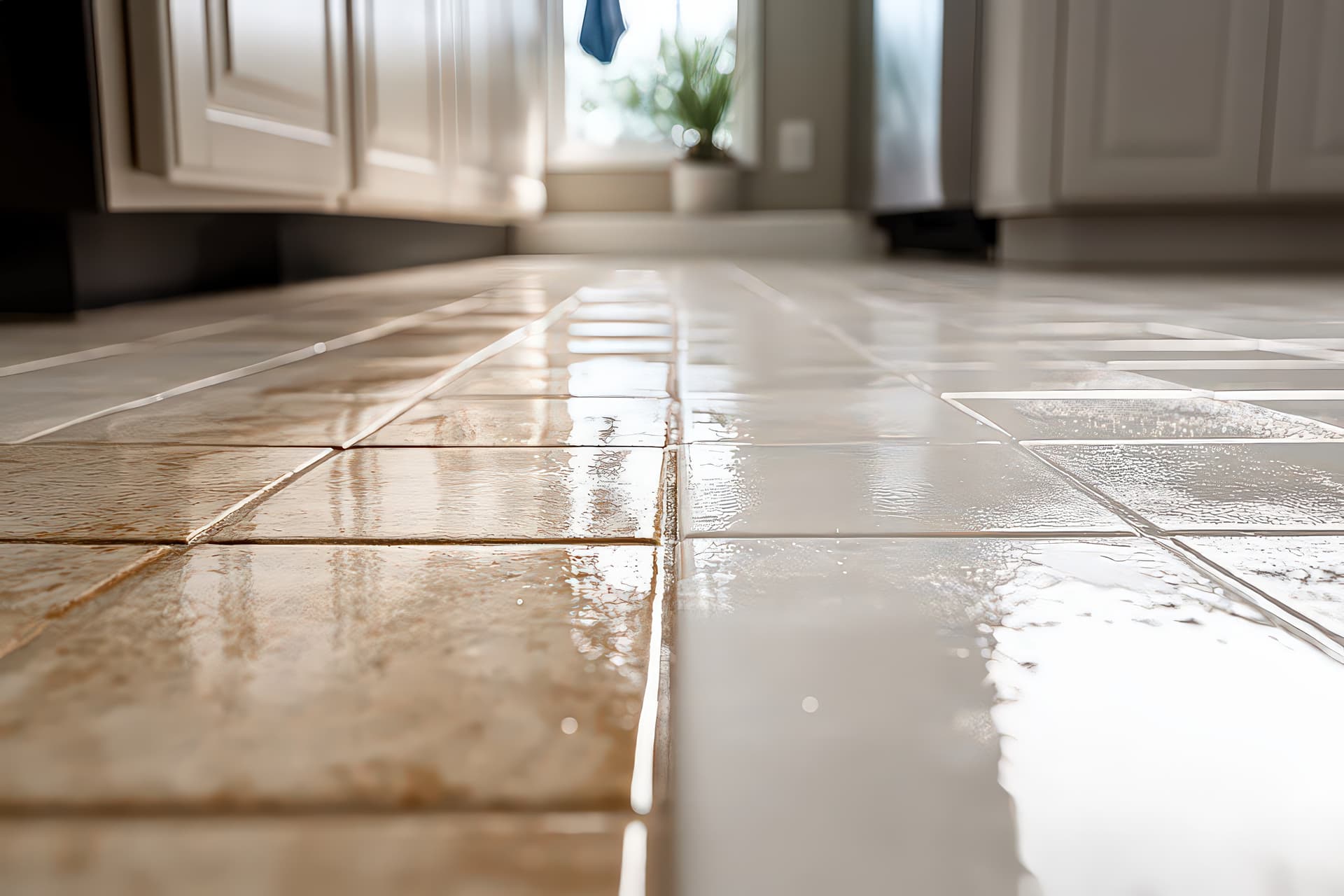
Our experts can help you achieve a cleaner, healthier home.
Beautiful tile floors and surfaces can dramatically enhance your home's appearance, but over time, even the most meticulously maintained tile work can lose its luster. The culprit? Usually it's the grout—those porous, often light-colored lines between tiles that seem to attract and hold onto dirt, grime, and stains with surprising tenacity.
In this comprehensive guide, we'll walk through everything you need to know about restoring and maintaining your tile and grout, from DIY cleaning methods to understanding when professional intervention is your best option.
Before diving into cleaning methods, it helps to understand why tile and particularly grout are prone to becoming discolored and dirty:
Grout is typically made from a mixture of cement, water, and sand. This composition creates a highly porous surface that readily absorbs:
Even sealed grout will eventually become vulnerable as the sealant wears away over time.
Floor tiles in entryways, kitchens, and bathrooms endure constant foot traffic that grinds dirt particles into the grout. This traffic-driven soil is particularly challenging to remove through regular mopping.
Pro Tip: The areas with the dirtiest grout often reveal your family's movement patterns through your home. These high-traffic zones require more frequent cleaning and maintenance.
For regular maintenance and moderate grout discoloration, these DIY approaches can be effective:
This gentle, abrasive cleaner works well for light to moderate grout discoloration.
Important: Never use vinegar on natural stone tiles like marble, travertine, or limestone as it can cause etching damage.
Particularly effective for white or light-colored grout with stains:
For tougher stains on white or light grout (avoid on colored grout):
The right tools can make a significant difference in your grout cleaning efforts:
| Tool | Best For | Tips |
|---|---|---|
| Grout brush | All grout cleaning | Look for brushes with angled bristles designed specifically for grout lines |
| Old toothbrush | Small areas, detailed work | Soft bristles are gentler but require more scrubbing |
| Steam cleaner | Chemical-free cleaning | Effective but requires careful handling to avoid burns |
| Electric grout cleaning brush | Large floor areas | Reduces physical effort but may be too aggressive for some tile types |
Warning: Avoid metal brushes on grout as they can damage both the grout and tile. Also, never use a high-pressure power washer on indoor tile as it can force water behind tiles and cause damage.
While DIY methods can be effective for maintenance, certain situations call for professional intervention:
Professional tile and grout cleaning offers several advantages over DIY approaches:
When you hire professionals for tile and grout cleaning, here's what you can expect:
Most professional services can complete an average-sized kitchen or bathroom in 1-2 hours, with larger areas taking proportionally longer.
Whether you've cleaned your tile and grout yourself or hired professionals, these maintenance practices will help preserve your results:
When deciding between DIY and professional cleaning, consider these cost factors:
While DIY has a lower immediate cost, professional cleaning often achieves better results that last longer, potentially offering better value over time, especially for heavily soiled areas.
Clean, well-maintained tile and grout not only enhances your home's appearance but also creates a more hygienic environment. For many homeowners, a combination approach works best—regular DIY maintenance with occasional professional deep cleaning to restore grout to like-new condition.
Whether you choose the DIY route or professional services, being proactive about tile and grout maintenance will preserve your home's surfaces and save you from more costly repairs or replacements in the future.

Discover why regular dryer vent cleaning is crucial for fire prevention, energy efficiency, and appliance longevity. Learn the warning signs and professional cleaning benefits.
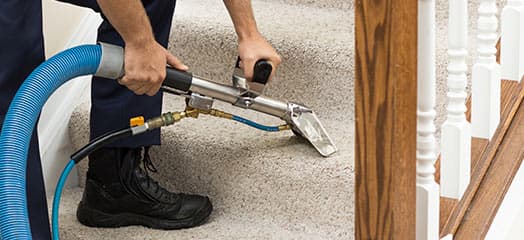
Learn the critical first steps to take when common household spills occur. Our quick-response guide helps you minimize damage and prevent permanent stains.
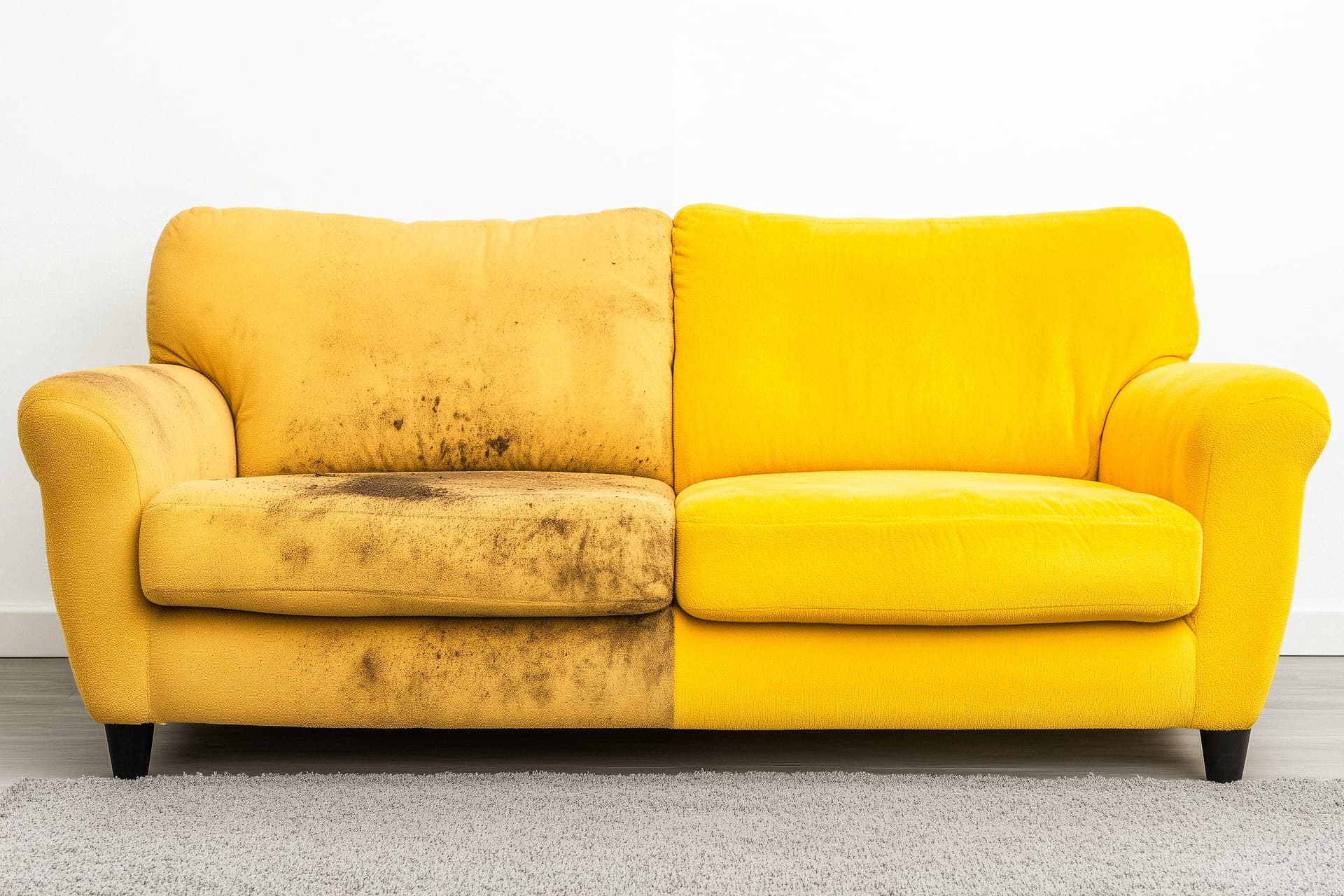
Discover how professional upholstery cleaning not only refreshes your furniture's appearance but can significantly extend its lifespan and protect your investment.